US healthcare › Enterprise agent › AWV Agent
Live in productionस्वस्थ
Swasth: Annual Wellness Visit preparation agent
Hindi for “healthy and well”
An enterprise workflow agent for Annual Wellness Visit preparation, outreach, and staff review queues.
Swasth is a developed enterprise AWV workflow agent that works over authorized data from an organization's existing EHR, data warehouse, scheduling system, or integration layer.
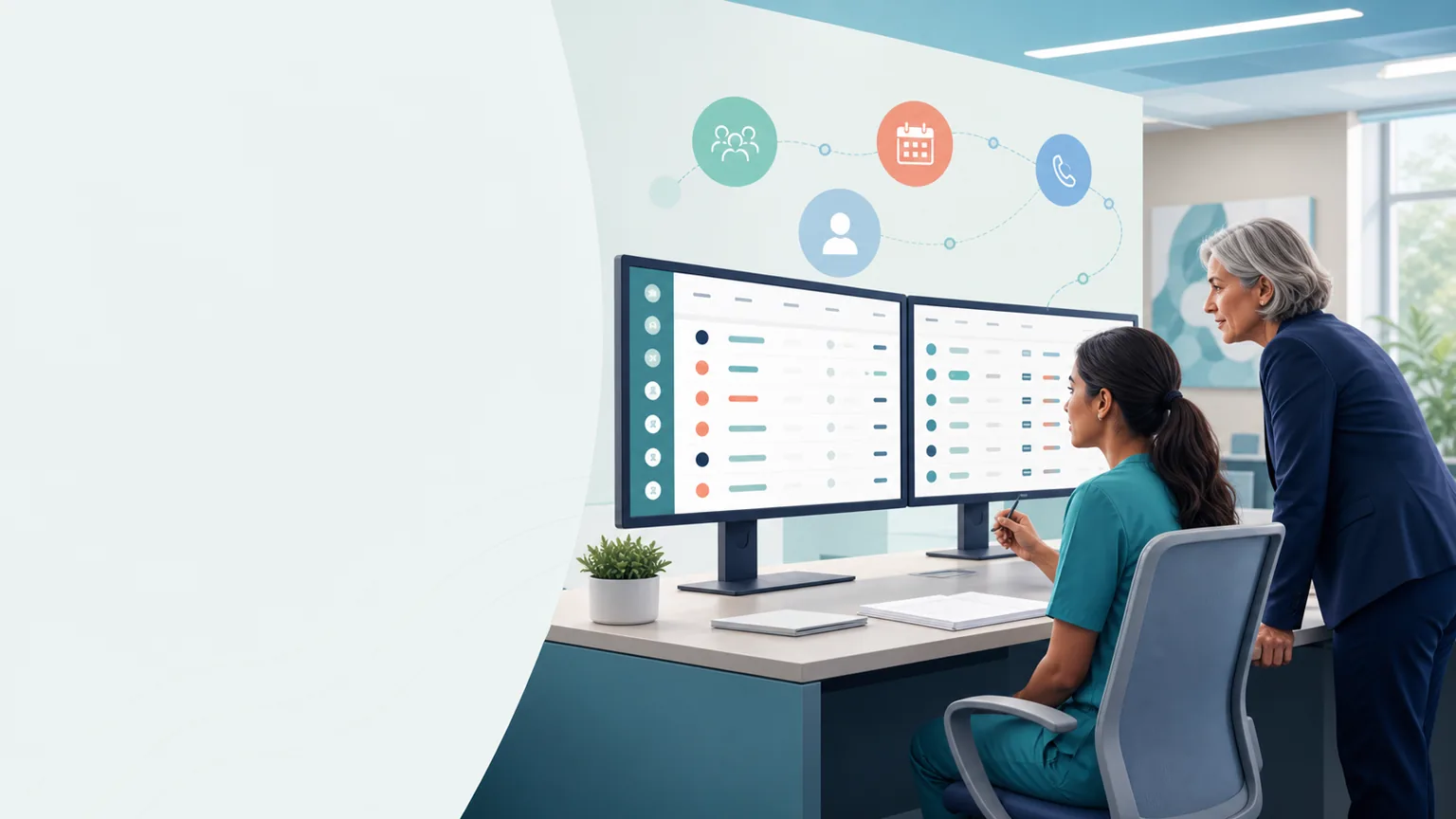
Intended workflow
Annual Wellness Visit workflows, organized above existing enterprise data.
- Prepare review queues from authorized enterprise data
- Surface missing workflow inputs for staff review
- Coordinate outreach and visit-readiness tasks
The deployment model is intentionally vendor-neutral. Data access, identity, security, auditability, human review, and any write-back will be defined with the enterprise before implementation.
Swasth is live in production across three enterprise deployments and is delivered as a cloud-hosted service. Pricing is outcomes based, agreed with each organization against operational measures defined in the engagement. Inquiries go through the interest form on this page or to support@synodha.com.
- Swasth AWV Agent
Prepares work queues, shows why each record appears, and routes incomplete records to an exception queue.
- Accountable human review
Named owners approve, escalate, or close every item. No outreach or change proceeds without it.
- Authorized enterprise data
APIs, governed feeds, a data warehouse, or an existing integration layer, defined with each organization.
- Systems of record
The EHR and enterprise systems remain the source of truth. Swasth does not replace them.
Enterprise questions
What teams should know before evaluating Swasth.
What does the Swasth AWV Agent do in an enterprise workflow?
Swasth prepares Annual Wellness Visit work for staff review. It assembles candidate review queues from data an organization already holds and has authorized, shows why each record appears and which inputs are missing, and routes incomplete or conflicting records to an exception queue. People decide who is contacted and when. Swasth does not perform the visit, determine Medicare coverage, or produce billing evidence.
How does Swasth build an AWV work queue from data we already have?
A deployment reads authorized patient identity, scheduling, visit-history, contact-preference and task-status data through whichever access route your organization approves, which may be APIs, governed feeds, a data warehouse, or an existing integration layer. Every queue row carries its source, timestamp and inclusion reason so a reviewer can see why it is there. Field definitions, matching rules and refresh expectations are agreed with your team before implementation.
Is Swasth limited to Epic or to one EHR?
No. Swasth is EHR-agnostic and runs as a cloud-hosted service over the access route your organization approves. EHR-agnostic does not mean integration-free: each deployment still needs field mapping, patient matching, validation, access controls, failure handling, and an explicit read-only or write-back model. Synodha claims no endorsement by Epic or by any other EHR vendor.
What controls should we require before Swasth supports AWV outreach?
Require a named owner for every queue, role-based access, visible provenance and timestamps, approved communication channels, an explicit human approval point before any outreach leaves the organization, an exception queue for uncertain matches, audit events, and a documented downtime procedure. Eligibility verification, outreach approval and clinical work stay with accountable people.
Program context: CMS Annual Wellness Visit guidance. Synodha's product scope remains separate from CMS coverage and billing requirements. If you are scoping more than this one workflow, see how this workflow fits a payment-model transition, or what all three agents have in common.
Read AWV outreach automation: an enterprise evaluation checklist
Read What can an AWV team prepare before the patient's health risk assessment?
Swasth is live in production across three enterprise deployments. No EHR vendor endorsement, regulatory compliance certification, billing accuracy, reimbursement eligibility, autonomous clinical decision-making, or clinical outcome improvement is claimed.